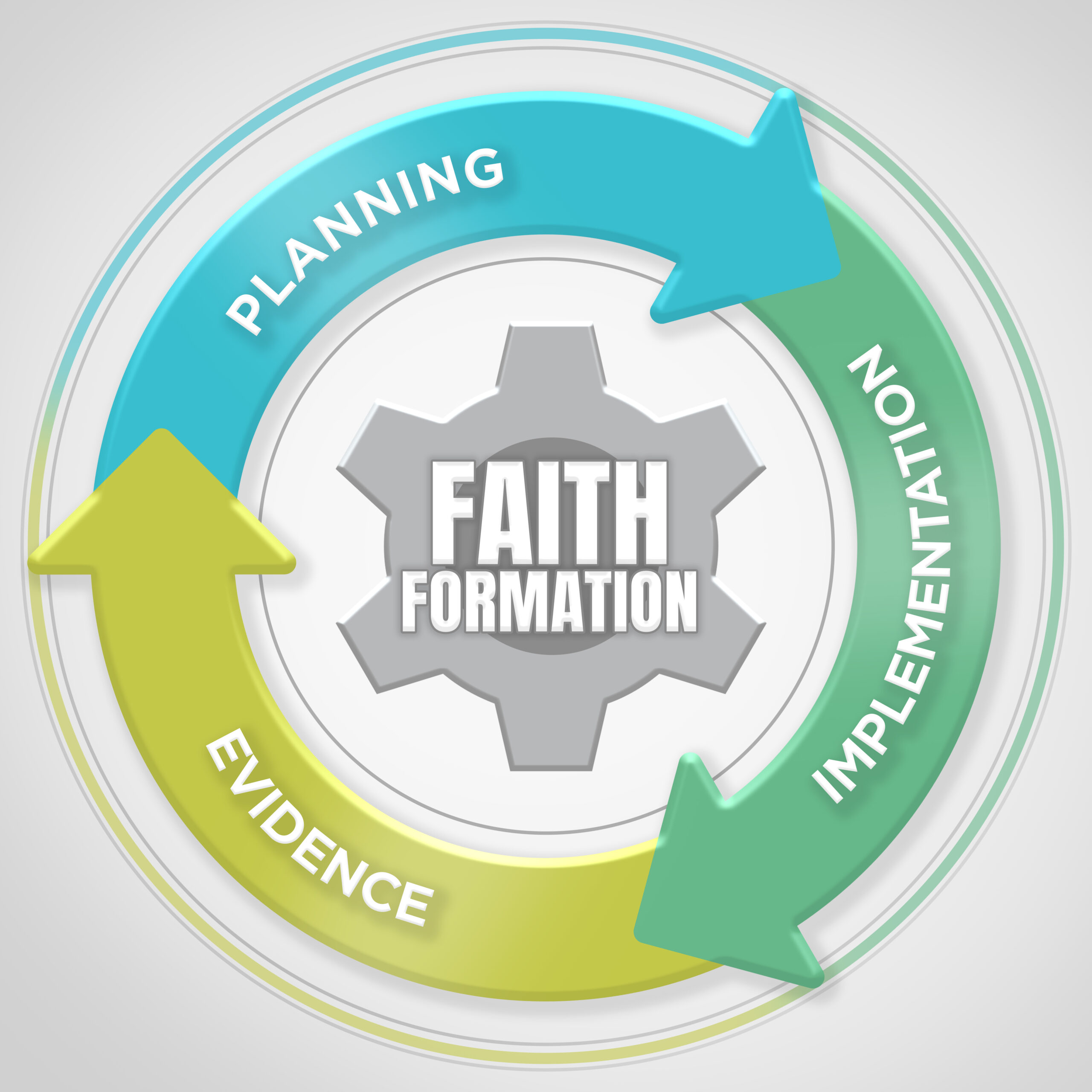
How Can Christian Schools Effectively Assess Spiritual Formation?
by Dean Ridder: Guest Writer for the Faith Journey Blog
Have you ever wondered whether your Christian school is truly helping students grow in Christlike character — not just academically, but spiritually? As Christian educators, we talk often about “spiritual formation,” but how do we know if it’s actually happening? Can something so deeply spiritual be measured with integrity and biblical faithfulness?
These are questions every Christian school leader, curriculum director, and teacher should wrestle with — because what we measure reflects what we value.
The Dual Mission of Christian Education
Most Christian schools share a dual mission: to pursue academic excellence and to cultivate Christlike character. Yet while the academic mission is typically supported by clear assessments, rubrics, and data, the spiritual mission often lacks those same measures.
As Dean Ridder observes, “Educators measure what is important for students to learn and for teachers to teach.” If spiritual formation truly matters — and we believe it does — then we must also find ways to assess it thoughtfully and prayerfully.
Unfortunately, many schools evaluate their instructional effectiveness but not their success in helping students become more like Jesus. Without meaningful evidence or clear indicators of growth in faith, it becomes difficult to know if we’re fulfilling our mission.
Why Spiritual Assessment Matters
The issue isn’t a lack of desire. Most Christian educators deeply want to see authentic spiritual growth in their students. The problem lies in how to measure it.

Some educators question whether assessing spiritual formation is even possible. Others express theological concerns, rightly reminding us that only the Holy Spirit transforms hearts. Still, as Ridder notes, Scripture calls us to discern fruit — to prayerfully evaluate how God is at work in our students’ lives (Psalm 139:23–24; Hebrews 4:12).
Assessment that aligns with biblical truth doesn’t try to replace the work of the Spirit; instead, it helps us reflect on whether our practices and programs are creating environments where the Spirit’s work is nurtured.
The Data Gap in Christian Schools
Research shows that many students graduate from Christian schools without reflecting the expected spiritual outcomes of their education. Studies by Schadt (2009) and Erdvig (2020) suggest that as many as half of Christian school graduates fall short of their school’s stated spiritual goals.
This should challenge us as educators. If we are not evaluating the spiritual dimensions of our mission with the same intentionality we apply to academics, we risk graduating students who know Scripture but haven’t internalized it.
So how do we change this?
Steps Toward Faithful Spiritual Assessment
- Clarify Spiritual Outcomes.
Define what Christlike character looks like in your context. Use Scripture and your school’s mission to articulate measurable, observable outcomes. - Develop Biblically-Grounded Tools.
Create assessments that capture evidence of spiritual growth through reflection, portfolios, service learning, and student testimonies — not just checklists. - Involve the Whole Community.
Spiritual formation is communal. Teachers, parents, and peers all play a role. Encourage collaboration and open conversation about what growth looks like. - Pray Through the Process.
Every evaluation should be bathed in prayer, seeking God’s wisdom and the Holy Spirit’s discernment. - Use Data to Inform — Not Define — Formation.
Numbers and surveys should guide us toward better ministry, not replace the relational and spiritual heart of discipleship.When done biblically, spiritual assessment is not about control or judgment — it’s about stewardship and faithfulness.
A Biblical Foundation for Assessment
Scripture consistently reminds us that God examines both outward actions and inward motives (Psalm 9:8; 1 Corinthians 4:5; 1 Peter 1:17; Revelation 20:12–13). Assessment rooted in God’s character reflects His righteousness — not human performance metrics.
When Christian schools approach assessment through prayer, Scripture, and humility, they align their practices with the heart of God. The goal isn’t to measure faith in human terms, but to discern how God’s Spirit is transforming hearts and minds within the school community.
Conclusion: Faithful Measurement of Eternal Impact
Christian schools have a sacred calling: to partner with families and churches in shaping disciples of Jesus Christ. To fulfill that mission faithfully, we must courageously ask how well we are doing — not only academically, but spiritually.
Assessing spiritual formation is not a task of control, but an act of obedience. When we measure what matters, we honor the God who called us to “train up a child in the way he should go” (Proverbs 22:6).
Ready to Strengthen Your School’s Spiritual Mission?
If your Christian school wants to develop meaningful, biblically grounded strategies for assessing spiritual formation, consider partnering with experienced Christian education consultants who can help you align your curriculum, mission, and assessment practices with Scripture.
The blog post was originally found on CurriculumTrak (now Atlas Curriculum Mapping)
About the Author

Dean Ridder serves as the Head of School at Isaac Newton Christian Academy in Cedar Rapids, Iowa. He has a doctoral degree in education administration, focusing on the assessment of spiritual formation. Dean and his wife, Jolene, have been married for 30 years and have three children — all graduates of Christian schools